

Stop Snoring: Causes and Treatment That Works
Snoring happens when air squeezes through a narrowed airway and makes the soft tissue around it vibrate. Sometimes that is all it is. Sometimes it is the most audible sign of obstructive sleep apnea.

Why Do People Snore?
While you are awake, the muscles in your throat hold your airway open. When you fall asleep, they relax. If the airway narrows enough, the air you breathe makes the tissue around it flutter, and that flutter is the sound your partner hears.
Several things make the narrowing worse. Most people who snore have more than one of these going on at once. That is why a fix that works for a friend may do nothing for you: you may not share the same cause.
Sleeping on your back
which lets the tongue fall toward the throat
Alcohol in the evening
which relaxes the airway muscles further
Nasal congestion
from allergies, a cold, or a deviated septum
Extra weight
around the neck
The natural shape
of your jaw, tongue, tonsils, or palate
Age
as muscle tone decreases over time
Sedating medications
which relax the muscles that hold the airway open
When Snoring Is More Than Annoying
Snoring on its own is not a diagnosis. But loud, frequent snoring alongside certain other signs can point to obstructive sleep apnea, a condition where the airway repeatedly closes altogether, interrupting your breathing through the night.
Check the list below. The more of these that sound familiar, the stronger the case for getting evaluated:
 Snoring loud enough to be heard in another room
- Morning headaches
- Restless, broken sleep
- Choking or gasping during sleep
- Waking with a dry mouth
- Trouble focusing during the day
- Pauses in breathing that a partner has noticed
- Getting up several times a night to use the bathroom
- Feeling sleepy even after a full night in bed
Free Sleep Screener
Snoring vs. Sleep Apnea: What’s the Difference?
Not everyone who snores has sleep apnea, and not everyone with sleep apnea snores. Snoring is a sound. Sleep apnea is a breathing disorder, where the airway repeatedly collapses and cuts oxygen to the body, sometimes hundreds of times a night, usually without the sleeper knowing.
You cannot tell the two apart by listening. A heavy snorer can have a completely healthy breathing pattern, and a quiet sleeper can have significant apnea. What separates them is what is happening to your breathing and oxygen levels while you sleep, and the only reliable way to measure that is a sleep test.
That distinction matters because the treatments differ. Simple snoring can often be improved with practical changes or an oral device. Sleep apnea is a medical condition with real cardiovascular consequences, and it deserves proper treatment.
Snoring
A Sound
Air passing a narrowed airway makes soft tissue vibrate. Breathing itself may be completely healthy.
Sleep Apnea
A breathing disorder
The airway repeatedly collapses and cuts oxygen to the body, sometimes hundreds of times a night.
How to Find Out What’s Causing Your Snoring
Before choosing any treatment, it is worth knowing what you are treating. The only reliable way to separate simple snoring from sleep apnea is a sleep test, and this is where almost every BlueSleep patient starts.
Most of our patients test at home. There is no overnight lab stay: we ship a small home sleep test device to your door, you wear it for two nights in your own bed, and a board-certified sleep specialist reviews the results with you by video.
The test records your breathing, oxygen levels, heart rate and sleeping position. That is enough to show whether your snoring comes with breathing interruptions, and if so, how severe they are.
An at home sleep test covered by insurance is the norm rather than the exception: most medical insurance plans cover home sleep testing when it is clinically indicated, and our team checks your benefits before anything is ordered. If you are paying without insurance, the test price can be found on our Pricing page, and we will confirm the current price with you before you commit.
What Can Help Simple Snoring?
If testing shows your snoring is not sleep apnea, several practical changes can genuinely help, because each one targets a real cause:
Sleep on your side.
Back sleeping lets gravity pull the tongue toward the airway. A body pillow or positional trainer can help the habit stick.
Skip alcohol in the last few hours before bed.
It relaxes exactly the muscles you need to stay firm.
Treat nasal congestion.
Saline rinses, allergy treatment, or nasal strips can improve airflow when the nose is the bottleneck. Persistent blockage deserves a medical look.
Work toward a healthy weight, if that applies to you.
Extra tissue around the neck narrows the airway. Thin people snore too, so this is one factor among several, not a verdict.
Keep a consistent sleep schedule.
Deep exhaustion makes the airway muscles slacken harder when you finally crash.
These steps are worth taking once sleep apnea has been ruled out. Taking them instead of getting evaluated is where people lose years.
Professional Snoring Treatment Options
When snoring persists, or testing shows sleep apnea, the right option follows from your results rather than from guesswork.
Custom oral appliance
Saline rinses, allergy treatment, or nasal strips can improve airflow when the nose is the bottleneck. Persistent blockage deserves a medical look.
CPAP therapy
The gold-standard treatment when obstructive sleep apnea is diagnosed. CPAP treatment keeps the airway open with gentle air pressure and can reduce or eliminate the snoring that comes with apnea.
Nasal and ENT evaluation
When a blocked nose or airway anatomy is driving the problem, an ENT evaluation can identify it and open treatment options a device cannot offer.
Surgery, in selected cases
Reserved for specific anatomical problems and directed by a specialist, not a first resort.
You can read how the full care sequence works on how BlueSleep treatment works.
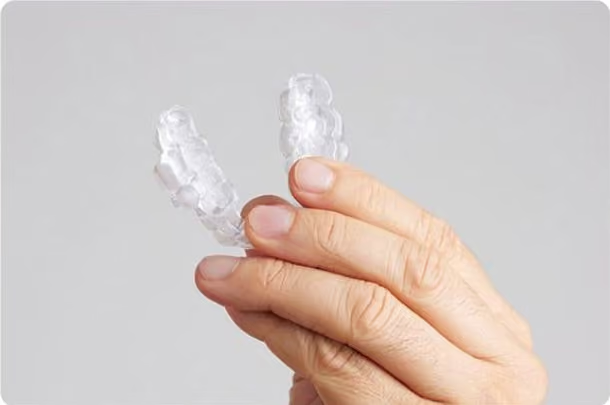
Custom Oral Appliances: A Comfortable Way to Stop Snoring
Unlike a CPAP machine, an oral appliance is silent, needs no electricity, and fits in a pocket when you travel. Unlike a drugstore mouthguard, it is custom-made from a scan of your teeth, fitted and adjusted by our dental sleep providers, and followed up properly, including a check that it is actually working rather than only quieting the sound.
BlueSleep’s dental sleep team has presented outcome data on thousands of oral appliance cases at international sleep medicine meetings. This is an evidence-backed medical treatment, not a gadget. You can see what patients say on our oral appliance reviews page.
Do Over-the-Counter Snoring Devices Work?
Honestly, some of them help some people. The catch is that each one only works when it happens to match your cause, and without testing you are guessing at the cause.
The pattern in that table is the reason we test first. An OTC device that silences your snoring while sleep apnea continues untreated has not solved your problem. It has hidden it.
How BlueSleep Helps You Stop Snoring


Insurance and Cost
In network with many national plans


Snoring Care From a Medical Sleep Team


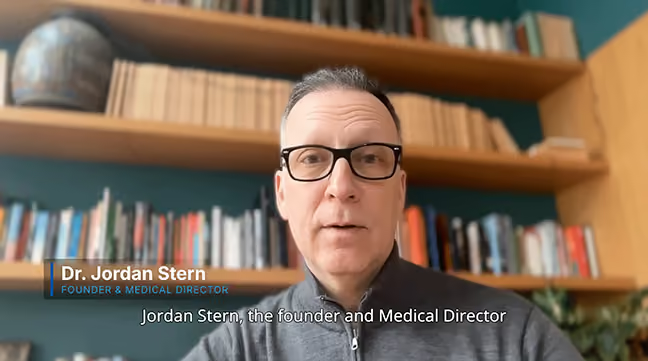
BlueSleep Founder, CEO and Medical Director

What Patients Say About Their Snoring


Snoring FAQs





