

Sleep Apnea Treatment That Fits Your Life
Sleep apnea is one of the most common sleep disorders in adults, and one of the most treatable. The problem for most people is not the treatment. It is getting from “I think something is wrong” to an actual diagnosis and treatment without months of waiting.

What Is Sleep Apnea?
Sleep apnea is a disorder in which your breathing repeatedly slows or stops while you sleep. Each interruption can drop your oxygen level and jolt your brain into lighter sleep so breathing can restart. Most people remember none of it. They just wake up tired.
Left alone, those repeated oxygen drops and sleep interruptions put a nightly load on the heart, the metabolism and the brain. Treated, most people get their nights and their daytime energy back.
Most common
Obstructive sleep apnea (OSA)
While you are awake, muscles hold the airway open. During sleep those muscles relax, and in people with OSA the tongue and soft tissue collapse far enough to block airflow, sometimes dozens of times an hour, all night.
Less common
Central sleep apnea
The brain intermittently fails to send the signal to breathe. It is associated with certain heart and neurological conditions and needs a different evaluation, which is one reason a physician belongs in this process from the start.
Common Sleep Apnea Symptoms
Not everyone with sleep apnea snores. And in women the picture is often quieter: fatigue, insomnia, morning headaches and mood changes rather than loud snoring, which is a major reason sleep apnea in women goes undiagnosed.
 Loud, persistent snoring
- Choking, gasping, or snorting during sleep
- Pauses in breathing that a partner notices
- Restless, broken sleep
- Waking with a dry mouth
- Getting up several times a night to urinate
- Sleepiness that does not match the hours spent in bed
- Morning headaches
- Trouble concentrating or remembering
- Irritability or low mood
Free Sleep Screener
What Causes Obstructive Sleep Apnea?
OSA is usually a combination of factors rather than a single cause.
None of this is about blame. Anatomy, age and genetics are not choices, and the factors you can influence respond better to treatment when the apnea itself is being managed.
Airway anatomy
A naturally narrow airway, a small or set-back lower jaw, a large tongue, or enlarged tonsils leave less room for error when muscles relax.
Body weight
Extra tissue around the neck narrows the airway. Plenty of people with sleep apnea are not overweight, so it is never the whole story.
Age and menopause
Muscle tone declines with age, and the risk in women rises notably after menopause.
Nasal obstruction
A blocked nose from allergies or a deviated septum forces harder breathing through a floppier airway.
Alcohol and sedatives
Both relax the airway muscles beyond their normal sleep state.
Sleeping position
Some people obstruct mainly on their back.
Family history
Airway shape runs in families, and so does sleep apnea.
Why Untreated Sleep Apnea Matters
Every obstruction does two things: it drops your oxygen, and it fragments your sleep. Repeat that a few hundred times a night for years and the effects reach well beyond feeling tired.
Untreated sleep apnea is associated with high blood pressure (including blood pressure that resists medication), heart disease, atrial fibrillation, stroke, type 2 diabetes and other metabolic problems. Fragmented sleep also affects mood, focus and memory, and daytime sleepiness raises the risk of road and workplace accidents.
This is not a reason to panic. It is a reason to find out.
Sleep apnea is one of the most treatable conditions in medicine, and the health risks above are exactly why testing is worth a couple of nights of your time.
How Sleep Apnea Is Diagnosed: The At-Home Sleep Apnea Test
Diagnosis starts with a conversation, not a machine. In a video visit, a BlueSleep sleep specialist reviews your symptoms, health history and risk factors, and decides whether a sleep test is indicated, and which kind.
For most patients, that means a home sleep apnea test. If you have been putting this off because you pictured a night in a lab with wires glued to your head, that picture is out of date. The device is small, it ships to your door, and you sleep in your own bed for two nights while it records your breathing, oxygen levels, heart rate and position. A board-certified sleep specialist then goes through the results with you and explains exactly what they mean.
In-lab studies still have a place. Patients with significant heart or lung disease, suspected central sleep apnea, or symptoms pointing to another sleep disorder are referred for fuller monitoring. Your specialist will tell you honestly which test your situation calls for.
On cost: an at home sleep test covered by insurance is the usual outcome. Most medical plans cover home testing when it is clinically indicated, and BlueSleep checks your benefits before anything ships. See Pricing
Sleep Apnea Treatment Options
The right treatment follows from your test result: severity, anatomy, health history and how you sleep. Preference matters, but it comes second. These are the routes BlueSleep uses:
Custom oral appliance
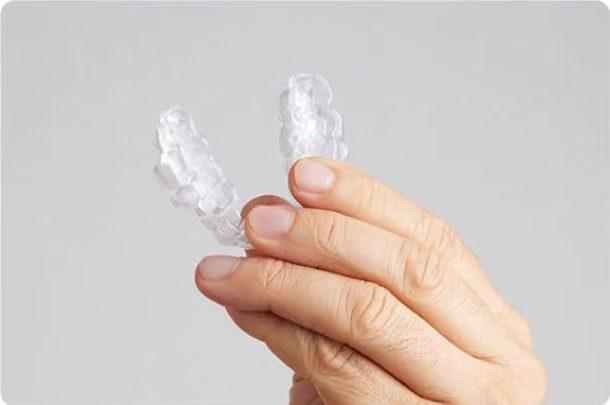
A custom oral appliance holds the lower jaw slightly forward during sleep to keep the airway from narrowing. An effective option for mild to moderate OSA and for patients who cannot tolerate CPAP, custom-fitted by our dental sleep team and followed up with testing to confirm it is working.
CPAP therapy
A quiet stream of air through a small mask keeps the airway open all night. Modern machines and masks are far more comfortable than most people expect, and CPAP treatment at BlueSleep comes with real clinical support rather than a shipped box.
Lifestyle and positional measures
Weight management, limiting evening alcohol, treating nasal congestion, and side-sleeping training support either therapy. They rarely replace treatment on their own, and they make treatment work better.
ENT evaluation and surgery, in selected cases
When anatomy is the driver (nasal obstruction, tonsils, jaw structure), an ENT evaluation can open options, with surgery reserved for specific problems and specialist direction.
Which Sleep Apnea Treatment Might Fit You?
Every plan is individual, and your specialist will walk you through the choice. As a starting map:
When patients qualify for both routes and are given a genuine choice, both do well. The treatment you will actually use every night is the one that works.
What Patients Say About Treatment


How BlueSleep Helps


Financing Your Care
In network with many national plans


Why Patients Choose BlueSleep
Our dental sleep team has presented outcome data on thousands of oral appliance cases at international sleep medicine meetings, including World Sleep 2025. And the care path starts wherever you are: same-day video visits, home sleep apnea testing when appropriate, and a billing team that checks your insurance before treatment begins. See pricing and insurance for current rates.




Sleep Apnea
FAQs





